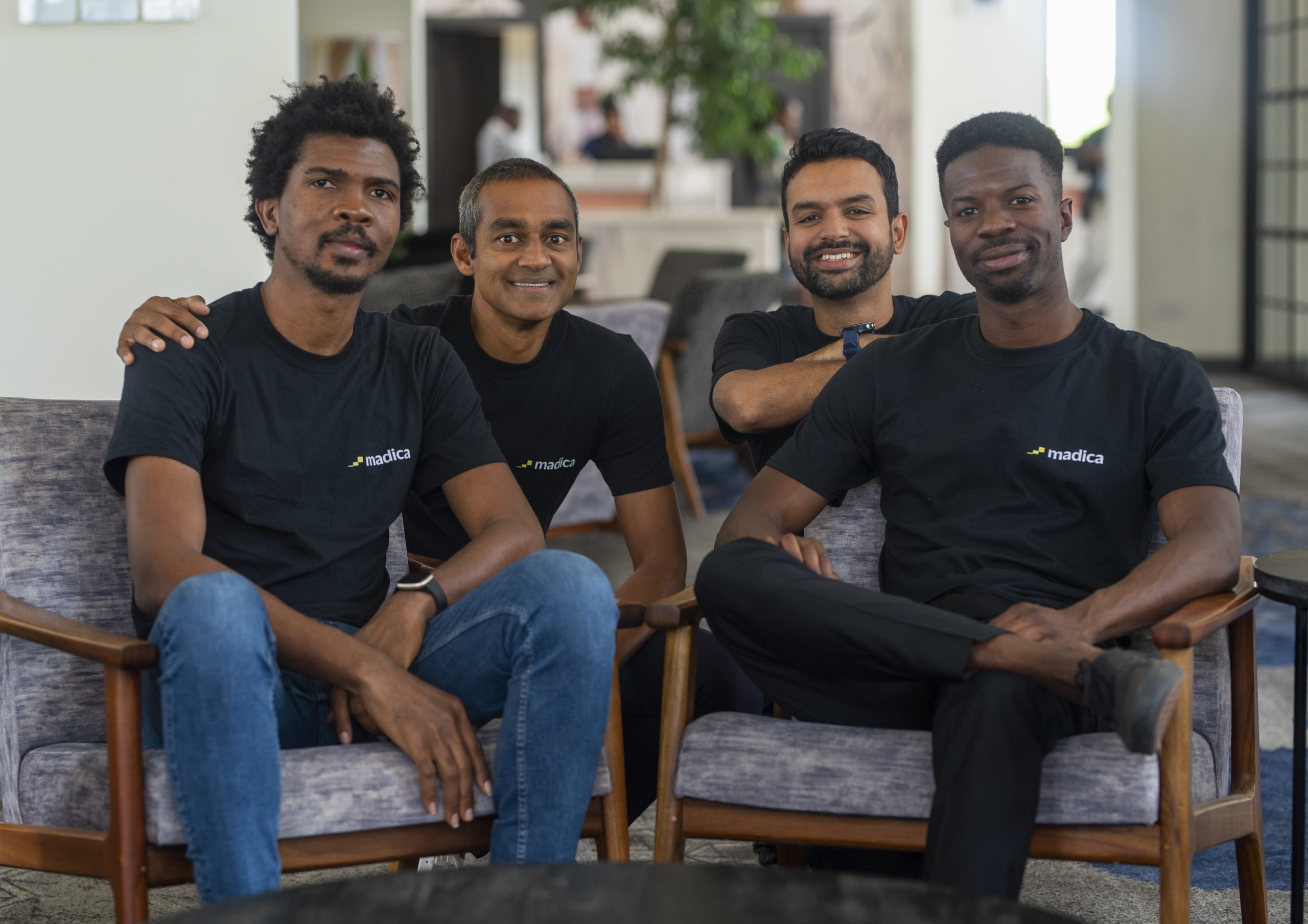
Announced on October 27, 2026, the commitment extends the pre-seed investment program’s work with founders who have limited access to established venture capital networks.
Selected companies will receive up to $200,000 each, alongside 18 months of mentorship, executive coaching and support to prepare for further fundraising.
Madica said the entire investment allocation will finance new pre-seed and seed deals, with no funds reserved for follow-on investments in existing portfolio companies. A separate budget will cover founder support, although its size was not disclosed.
The new commitment matches the $6 million investment allocation announced when Madica launched in October 2022, when an equal amount was reserved for program support.
Madica has since backed 18 startups across 10 African countries and 12 sectors, including climate technology, semiconductors, artificial intelligence, biotechnology and mobility.
“Three years have given us valuable lessons and encouraging early signals, but building enduring companies and assessing venture outcomes takes longer,” said Emmanuel Adegboye, head of Madica.
The extension comes as smaller African startups face a narrowing funding market. According to Africa: The Big Deal, the number of companies raising between $100,000 and $1 million fell from 179 in the second half of 2025 to 100 in the first half of 2026, a decline of 44%.
Its more recent January–September data shows continued pressure: 171 startups raised within that range, down 22% from 220 during the same period in 2025. Madica’s investment size places it directly within this constrained funding segment.
Geographic concentration also limits access to capital. Nigeria, Kenya, Egypt and South Africa attracted 82% of African startup funding in 2025, despite accounting for roughly 30% of the continent’s population.
Madica says 40% of its applications come from outside these four markets, giving the program a source of potential investments beyond Africa’s largest funding centers.
Recent investments illustrate that approach. Madica entered Algeria through Talenteo, which develops human resources software for businesses across Francophone Africa, and Cameroon through Paysika, a digital financial services company.
The program also backs companies in established funding markets where particular industries or founder groups receive less investor attention.
Madica reports that its portfolio companies have attracted additional funding averaging twice its initial investment. That indicates an ability to bring in other investors, but the figure is a portfolio average and does not establish profitability or realized investment returns. The extended pilot will assess whether companies can sustain growth and eventually generate returns through exits.
For African entrepreneurs, the additional capital creates another route to institutional investment and practical business support at an increasingly difficult funding stage.