The financing was completed in December 2025 and builds on the company’s earlier $1.4 million pre-seed raise in late 2024, bringing growth capital that supporters hope will cement its position in the evolving North African mobility sector.
The latest investment introduces three new Moroccan venture partners, Azur Innovation Fund, Witamax and MFounders, who join existing backers Catalyst Fund and Digital Africa in backing Enakl’s expansion ambitions.
The capital will be used to grow Enakl’s commercial teams, experiment with alternative ridepooling models, and complete a SaaS platform originally developed for the company’s internal transport operations.
Enakl’s SaaS product provides third-party transport providers and public sector agencies with tools for route planning, vehicle allocation, and real-time service performance monitoring.
The company says this software, once launched, will help address inefficiencies in urban corridors where traditional public transport can struggle to keep pace with shifting commuter demand.
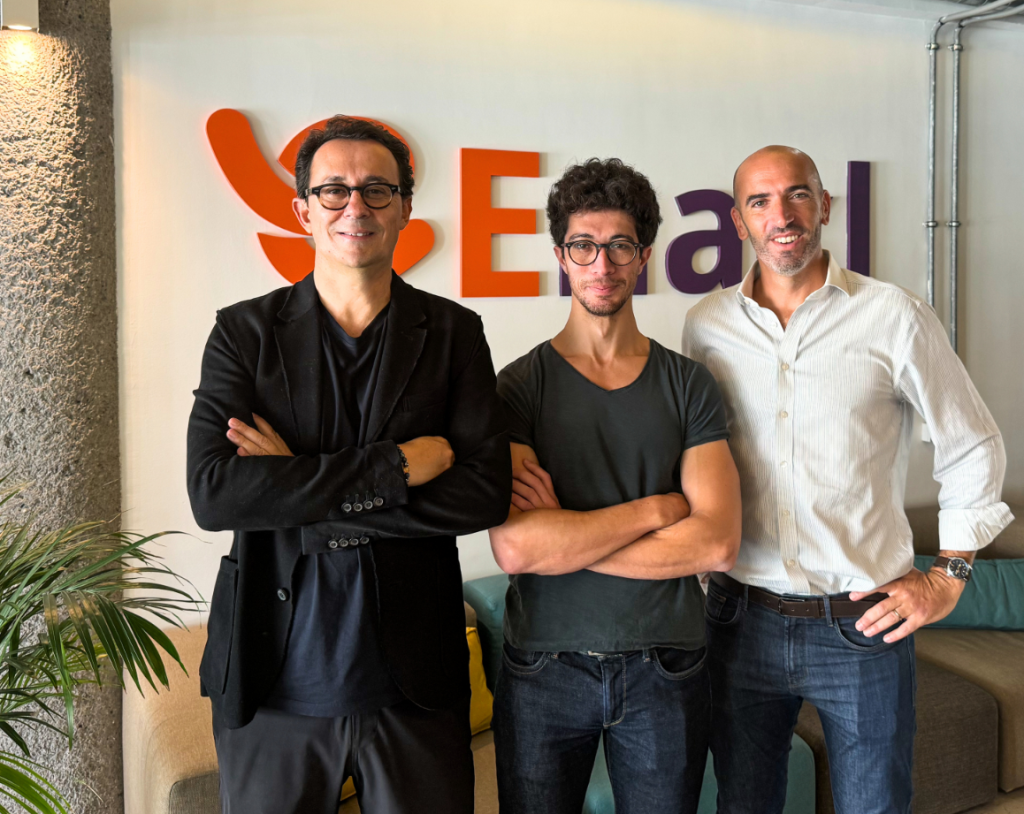
Founded in 2022 by Samir Bennani and Charles Pommarède, Enakl operates a bus-sharing service that lets commuters book rides on pre-scheduled minibus routes, a model intended to reduce congestion and provide a more reliable alternative to overcrowded buses.
Over 15,000 shared rides are reportedly booked through its platform each month, with usage growing at roughly 20 % month on month during its pilot phase.
In contrast to individual ride-hailing services, sectors in Morocco dominated by companies such as Careem, Heetch, and inDrive, Enakl positions its offering as a collective transit solution that reduces the number of vehicles needed for daily commuting and supports more sustainable urban mobility.
According to investors such as Adnane Filali of Azur Innovation Fund, Enakl’s blend of technology and operations tackles structural mobility challenges and aligns with early-stage investment strategies focused on scalable solutions.
The company says it does not seek to replace public transport but rather to fill gaps where fixed infrastructure is insufficiently responsive to commuter needs.
Part of the funding will also support trials of new fleet models that move beyond traditional, capital-intensive contracts.
Enakl plans to test approaches that integrate self-employed drivers and vehicle financing while keeping operational control through its platform to improve cost efficiency and responsiveness.
Enakl’s broader vision is to serve as a mobility operating system capable of powering multiple types of shared transport, either directly or through partnerships, with its SaaS platform and ridepooling services forming interconnected layers of service delivery.