Manufacturing and Industrialisation Drive Economic Diversification
Beyond energy, the investment agreements highlight Ethiopia’s ongoing effort to strengthen its industrial base.
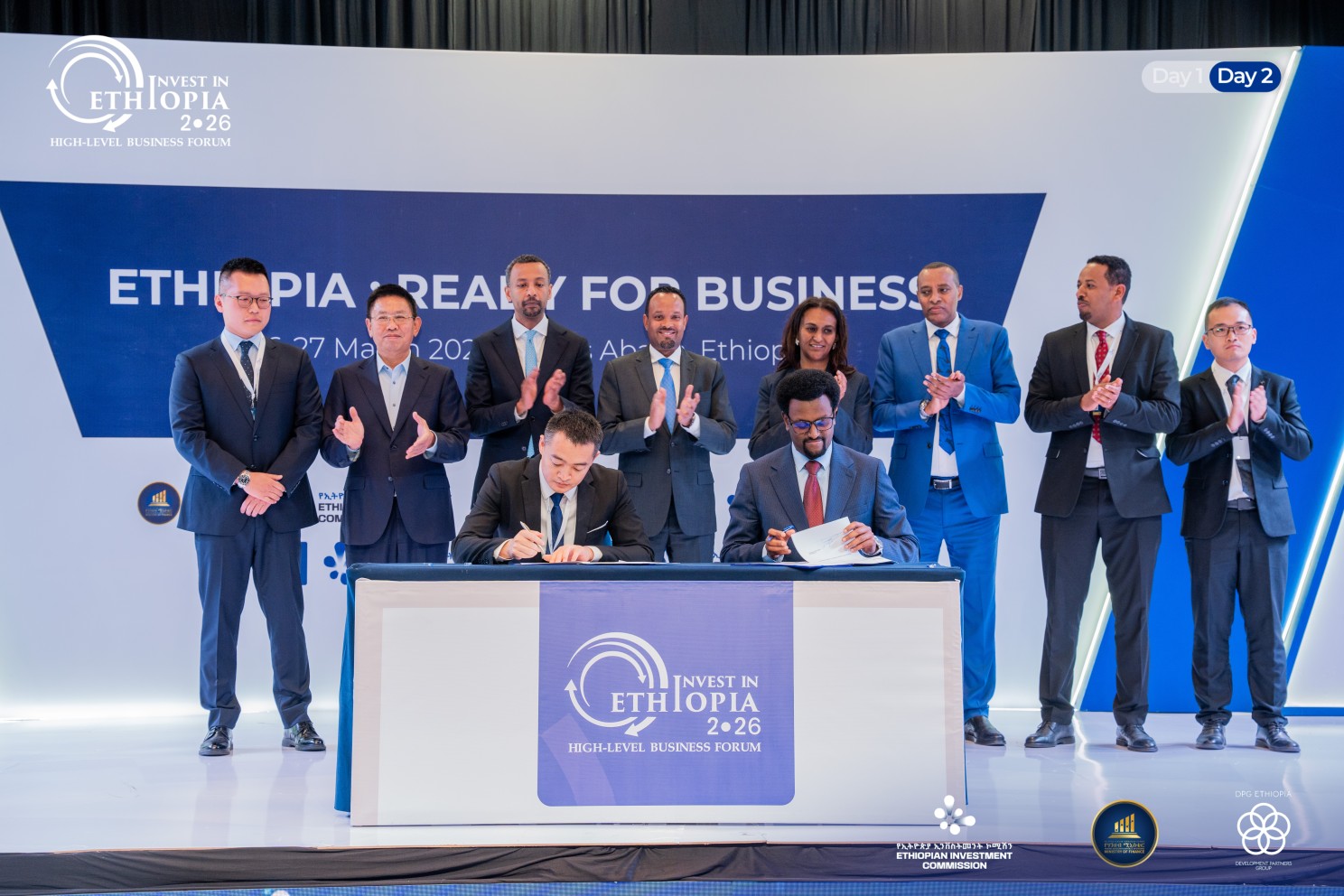
China’s Liaoning Fangda Group has committed more than $500 million to manufacturing projects, including steel and pharmaceutical production.
These investments are strategically aligned with Ethiopia’s long-standing goal of shifting from an agriculture-led economy toward industrialisation.
Manufacturing and agro-processing are expected to play a central role in job creation, particularly given the country’s rapidly growing and youthful population.
The inclusion of sectors such as agriculture, construction, and real estate within the deal pipeline also reflects a broader attempt to develop integrated value chains.
Policy Reforms Underpinning Investor Confidence
The surge in investment commitments comes amid a series of macroeconomic and structural reforms introduced by the Ethiopian government since 2024.
These include currency liberalisation, easing of foreign exchange controls, and the gradual opening of previously restricted sectors such as financial services to foreign participation.
These policy changes are designed to improve the ease of doing business and address longstanding investor concerns around market access and capital mobility.
They also reflect a broader shift toward a private sector-led growth model, supported by international development partners and aligned with continental frameworks such as the African Continental Free Trade Area (AfCFTA).
The investment conference itself forms part of a wider strategy to showcase opportunities in priority sectors and facilitate deal-making between the government and global investors.
Strategic Implications for FDI and Africa’s Energy Transition
Ethiopia’s $13.1 billion investment drive illustrates a broader trend among African frontier economies using FDI as a lever for growth, industrialisation, and job creation.
The heavy concentration of capital in renewable energy and green fuels highlights increasing global interest in Africa’s role in the future energy system.
Projects involving hydrogen and green ammonia are particularly significant.
These technologies are expected to play a key role in decarbonising industries such as shipping and fertilizer production, creating potential export opportunities for countries with abundant renewable resources.
Ethiopia’s entry into this space positions it as a potential supplier in emerging clean energy markets.
At the same time, investments in manufacturing and agro-processing point to a parallel objective: building domestic value chains that can absorb labour, enhance productivity, and reduce import dependence.
This dual focus on energy and industry suggests a coordinated approach to structural transformation.
Execution Risks Remain a Key Test
Despite the scale of announced commitments, a critical question remains around implementation.
Historically, large investment pledges across Africa have faced delays due to financing constraints, regulatory complexities, and infrastructure bottlenecks.
For Ethiopia, translating these agreements into operational projects will depend on policy consistency, institutional capacity, and the ability to maintain investor confidence over the long term.
The $13.1 billion headline figure signals strong interest in Ethiopia’s reform agenda and economic potential.
However, its real impact on growth, employment, and industrial development will ultimately be determined by execution.