The funding round was led by AfricInvest through its Financial Inclusion Vehicle (FIVE), a fund focused on improving access to financial services across African markets.
Venture capital firm Algebra Ventures also joined the deal, marking its first investment in a company headquartered in Nigeria.
Existing backers including Capria Ventures, VestedWorld, Axian CVC, Angaza Capital, and 4Di Capital also participated in the raise.
The investment comes at a time when African banks, fintechs and digital lenders are facing growing pressure to manage unpaid consumer and SME loans.
Across several African markets, rapid growth in digital lending over the last decade has widened access to credit, but it has also increased the volume of defaulted loans, creating challenges for lenders that often lack effective recovery systems.
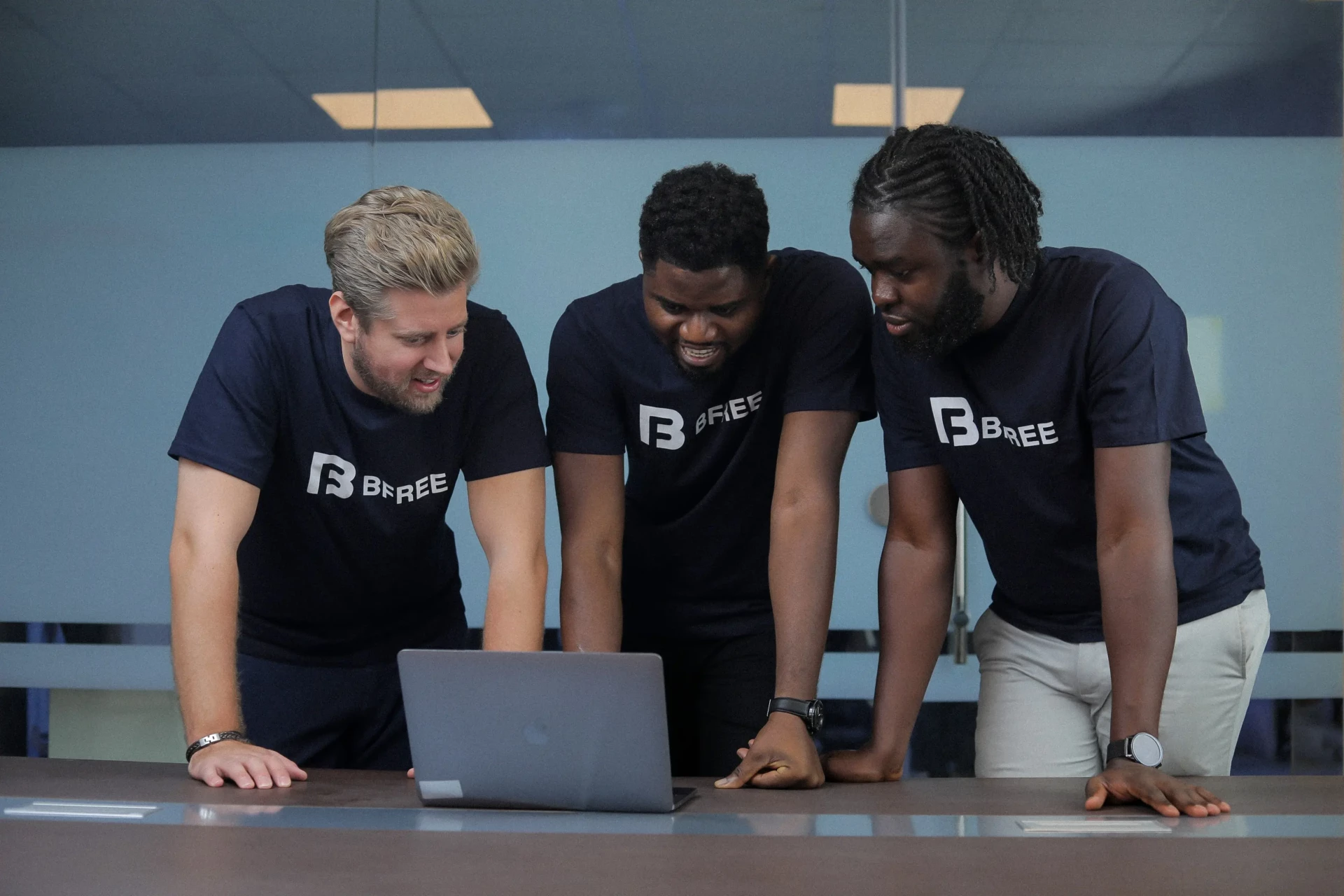
Founded as a technology-driven debt collection company, BFREE has evolved into a large-scale buyer of distressed retail and small business debt portfolios.
The company says it has completed more than 35 transactions and now manages over 11 million borrower accounts across multiple African markets.
According to BFREE Chief Executive Officer Julian Flosbach, the latest funding will allow the company to pursue bigger transactions and strengthen partnerships with financial institutions looking for long-term solutions to distressed debt.
“The market opportunity is significantly larger than the infrastructure historically available to address it,” Flosbach said.
“This round puts us in a position to pursue substantially larger portfolio acquisitions, engage a broader range of institutional partners, and do so with the speed and certainty of execution that serious counterparties demand.”
BFREE’s model goes beyond purchasing old debt portfolios, as the company also works directly with lenders through forward-flow agreements, allowing it to regularly acquire newly defaulted accounts as they arise.
This gives financial institutions a more predictable way to manage distressed loans instead of relying on one-time portfolio sales.
The company says it relies heavily on data and technology to price portfolios and engage borrowers.
Over the years, it has built a large database of distressed borrowers, which it uses to guide its underwriting and recovery strategies.
BFREE has also positioned itself as an alternative to traditional debt collection practices that have often been criticised in parts of Africa for harassment, intimidation and public shaming of borrowers.
Instead, the company says it focuses on structured repayment plans and transparent engagement with customers.
Patrick Herrmann, Partner at AfricInvest, said the firm believes BFREE is addressing a major gap in Africa’s lending ecosystem.
“High-velocity digital lending has become a core product across markets, with financial institutions, banks and fintechs alike requiring effective ways to manage small ticket non-performing loans,” Herrmann said.
Algebra Ventures said Africa’s financial sector still lacks enough institutional buyers capable of handling distressed retail and SME debt at scale, despite billions of dollars in unresolved loans across the continent each year.
BFREE plans to use the new capital to deepen operations in its current markets while expanding into additional African countries where demand for distressed debt solutions is increasing.