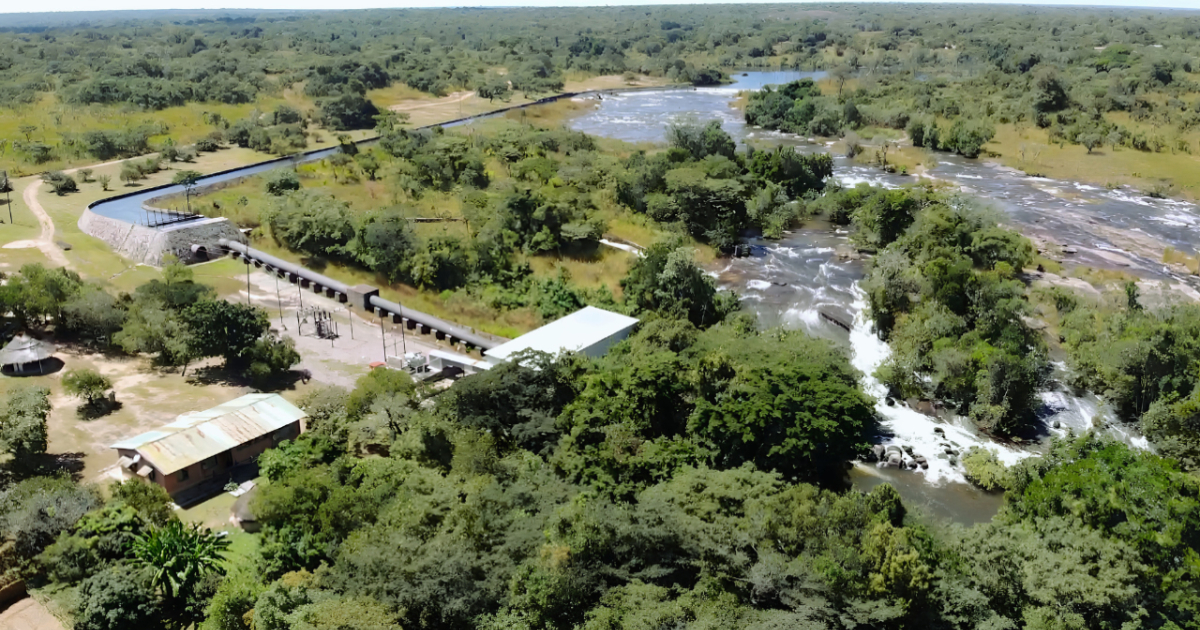
The financing will support the construction of Anzana’s portfolio of run-of-river hydropower plants in East, Central and Southern Africa, helping address one of the biggest challenges facing smaller renewable energy projects on the continent: access to long-term construction financing.
Africa continues to face a major electricity deficit, with hundreds of millions of people lacking reliable access to power.
While large-scale energy projects often attract investment, smaller hydropower developments, particularly those below 10 megawatts, frequently struggle to secure the capital needed to move from development to construction.
According to the International Energy Agency, investment in clean energy across emerging economies remains significantly below the levels required to meet growing demand and expand access to electricity.
The new facility is expected to provide Anzana with more flexible access to capital, allowing the company to advance multiple projects without having to arrange separate financing packages for each development.
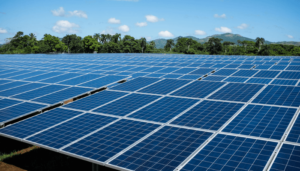
The company’s hydropower portfolio focuses on small- and medium-sized run-of-river plants, some of which could later be combined with solar power systems to improve energy reliability and generation capacity.
Anzana said the first project financed through the facility will be developed in Zambia, a country that has been pursuing new investments in electricity generation and grid expansion.
The company has already been involved in broader energy initiatives in the country, including plans linked to the Lobito Corridor, a strategic trade and infrastructure route connecting parts of Southern and Central Africa.
By 2030, Anzana expects the financing to help unlock around 10MW of new distributed baseload power generation capacity.
The projects are projected to produce more than 50 gigawatt-hours of renewable electricity annually, supplying power to national grids, businesses and growing demand centres.
The company also expects the developments to create more than 500 jobs during construction and operation phases while contributing to improved electricity access in underserved communities.
Chris Chijiutomi, Managing Director and Head of Africa at British International Investment, said the investment aligns with broader efforts to expand energy access across the continent.
“Africa faces a significant energy access gap, with nearly 600 million people without electricity. We’re committed to working with partners like Anzana to support Mission 300 and provide electricity access to 300 million people in Africa by 2030,” he said.
“Through this financing, we’re helping countries transition to renewable power, strengthen electricity networks, and deliver clean, reliable energy to millions of households.”
Mission 300 is a joint initiative supported by development finance institutions and international partners that aims to connect 300 million people in Sub-Saharan Africa to electricity by the end of the decade.
Anzana operates across several segments of the electricity value chain, including project development, power generation, distribution and grid interconnection.
The company supplies electricity to both communities and commercial customers, with a focus on improving reliability in areas where power shortages remain a barrier to economic growth.
Brian Kelly, Chief Executive Officer of Anzana Electric Group, described the financing as a key step in the company’s regional expansion strategy.
“This facility is an important milestone for Anzana as we scale our platform across Africa and expand on our close partnership with BII,” Kelly said.
“Through an end-to-end model spanning generation and distribution, including customer connections, we ensure consistent reliability and quality across the full power value chain. Our focus on strong governance, disciplined execution, and strategic corridor development allows us to deliver power where it is needed most while supporting national government objectives for sustained long-term economic growth.”
The latest financing builds on Anzana’s growing presence in Africa’s energy sector.
The company has previously partnered with international institutions on electrification projects, including initiatives designed to expand power access in Burundi through public-private partnership models.