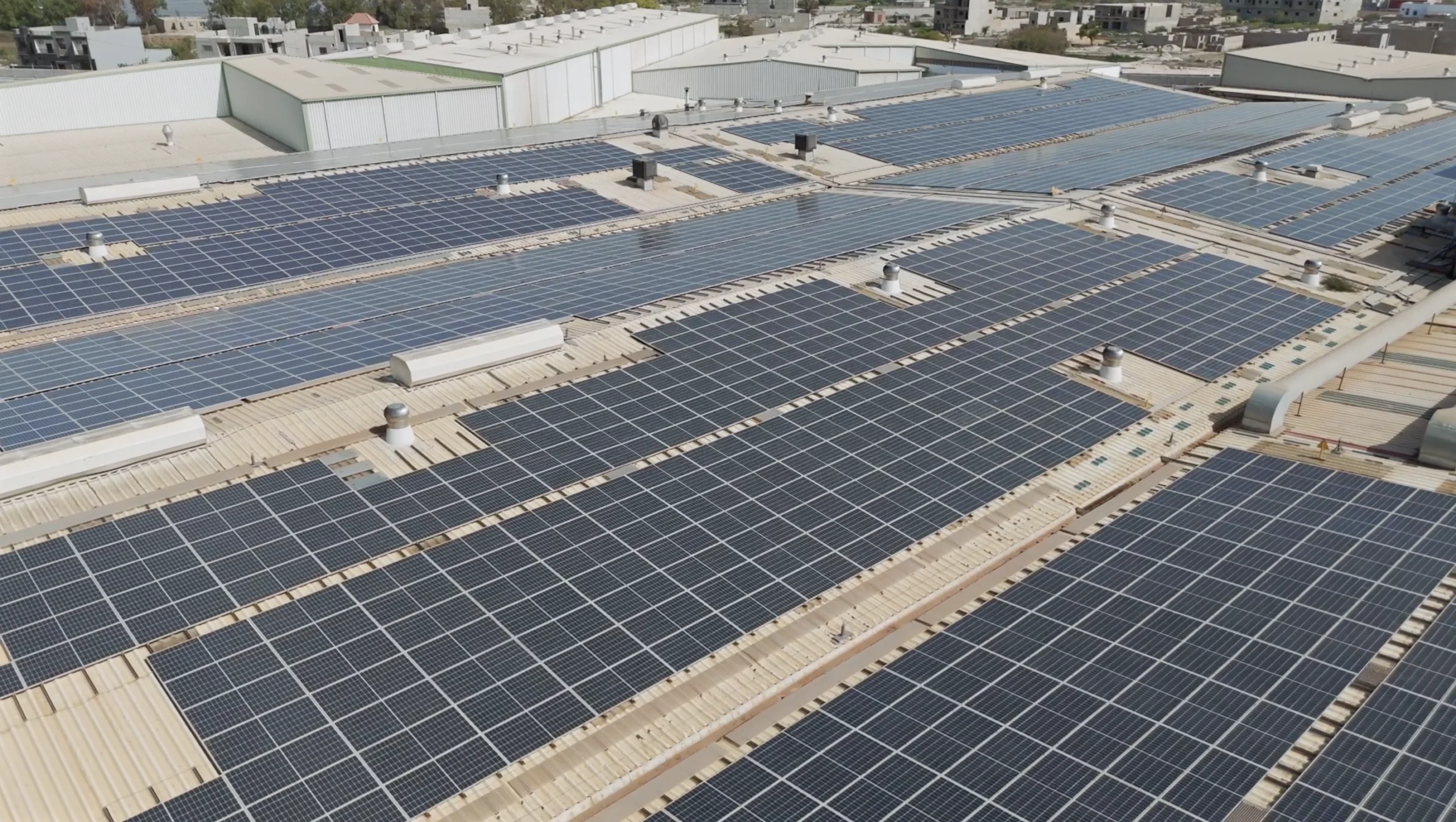
The financing will support an increase in the company’s rooftop solar portfolio from 2.7 megawatts peak (MWp) to 14.9 MWp, alongside 5.7 megawatt-hours (MWh) of battery storage.
The projects will serve established commercial and industrial customers, expanding access to on-site electricity under long-term energy agreements.
Camco said the transaction brings together contracted projects serving retail, food manufacturing, agro-industrial and infrastructure businesses under a single financing structure.
Afreenergy Solar will retain ownership and responsibility for operating the assets, while customers are expected to reduce electricity costs by around 30%.
Grouping projects into a portfolio allows the company to raise financing across multiple customer sites rather than arranging funding for each installation separately.
The debt follows an equity commitment equivalent to approximately $5 million announced on March 25, 2026, by the Private Infrastructure Development Group (PIDG) through InfraCo, its project development arm.
That investment supports a broader, two-phase expansion targeting up to 30 MW of solar capacity and 10 MWh of battery storage, with Senegal serving as the initial market for potential growth into selected West and Central African countries.
“Competitive, long-term project finance is critical to delivering energy at scale and at the best possible cost to African businesses,” said Christian Cachat, chief executive officer of Afreenergy Solar.
He said the combined debt and equity financing strengthens the company’s ability to invest in and operate energy assets while preparing for new markets and larger industrial and mining projects.
Benjamin Hugues, a director at Camco, identified Afreenergy Solar’s long-term customer contracts and combination of operating and development assets as key reasons for REPP 2’s investment.
The transaction fits the fund’s focus on financing smaller renewable energy projects through debt and other instruments tailored to developers’ funding needs.
For Afreenergy Solar, the financing connects an existing operating portfolio with funding for additional construction, supporting expansion through contracted customer demand and long-term ownership of energy infrastructure.