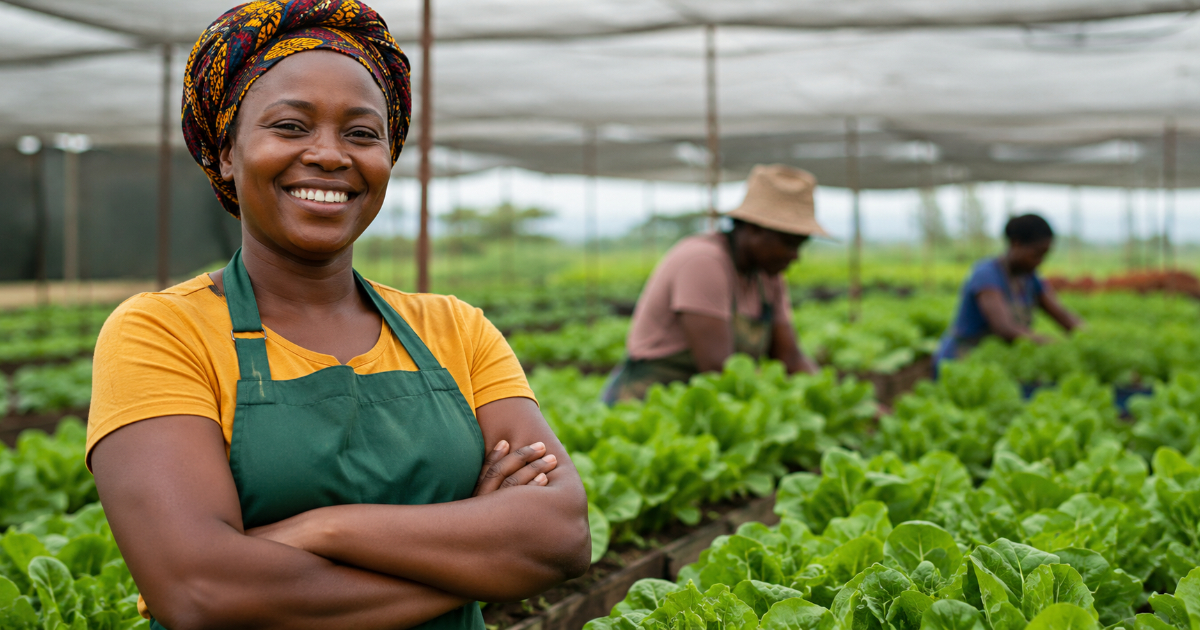
More than 95 per cent of the financing has been reserved for women-owned and women-led small businesses, reflecting growing efforts by development finance institutions to address the financing gap faced by female entrepreneurs across Africa.
Access to affordable capital remains a major challenge for many Nigerian businesses, especially those led by women, who frequently face barriers such as high lending rates, strict collateral requirements, and limited access to formal financial services.
The intervention is expected to support businesses operating in sectors including agriculture, clean energy, healthcare, and other areas linked to inclusive economic development.
Performance-based incentives tied to the AFAWA programme are also expected to encourage more financial institutions to increase lending to women-led enterprises and expand the number of businesses eligible for financing.
Abdul Kamara, Director General of the African Development Bank’s Nigeria Country Office, said women entrepreneurs remain one of the country’s most important but underutilised economic resources.
He noted that the new financing is designed not only to improve access to credit but also to strengthen Nigeria’s broader economic transformation through support for women-led enterprises.
The approval further strengthens the long-running relationship between the African Development Bank and the Development Bank of Nigeria.
The AfDB was among the institutions that supported DBN’s establishment through startup equity investments, governance support, and long-term financing alongside the Nigerian government and other international partners.
DBN, founded in 2015, was created to improve financing for micro, small and medium-sized enterprises by working through commercial banks and microfinance institutions.
The latest financing also aligns with the African Development Bank’s broader strategy on inclusive growth, private sector development, and gender equality under its 2024–2033 Ten-Year Strategy.
It supports Nigeria’s current development priorities focused on entrepreneurship, financial inclusion, green growth, and women’s economic empowerment.