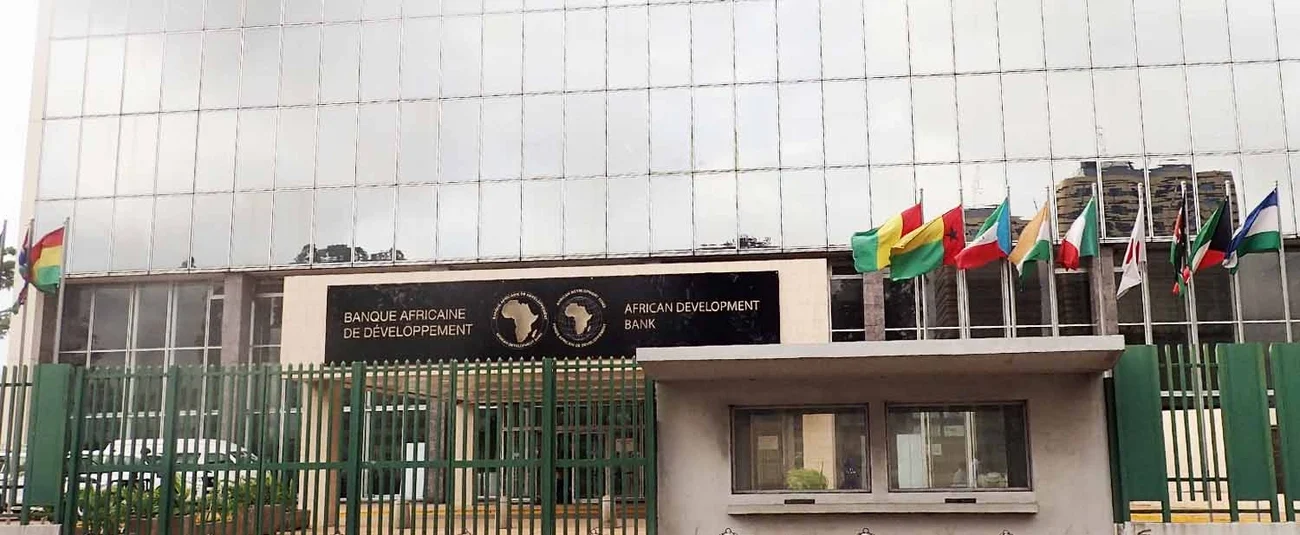
The bank’s board approved the Global Energy and Fertilizer Crisis Response Framework on September 1, 2026, as the conflict in the Middle East continued to disrupt commodity markets and major shipping routes.
The package combines an additional $4.1 billion in African Development Bank lending with up to $960 million from the African Development Fund, which provides grants and concessional financing to lower-income countries.
These resources will raise the bank group’s 2026 lending target to approximately $12.7 billion.
The framework will remain in effect for one year from its approval date and will undergo a review before any extension.
Financing will be demand-driven, allowing the bank to adjust its support according to each country’s exposure to higher import costs, supply shortages, fiscal pressure, and food-security risks.
Assistance will cover four connected areas: short-term macroeconomic financing, protection of food and energy supply chains, targeted support for vulnerable households, and policy reforms intended to reduce dependence on volatile international markets.
Available instruments will include countercyclical financing, emergency funding, trade finance, social-protection support, and policy-based operations.
For governments facing higher import bills, the framework can provide temporary financial buffers while supporting coordinated fiscal, monetary, and debt responses.
The bank also intends to help countries preserve essential public spending and move away from broad subsidies, which can place heavy pressure on national budgets while directing significant benefits to households that do not need assistance.
Trade and emergency finance will be used to keep food, fuel, and fertilizer moving through African markets.
This component is particularly relevant to importers, banks, distributors, and agricultural input companies that may face higher working-capital needs, tighter foreign-currency availability, delayed shipments, or increased transaction risks during the crisis.
“This framework is about listening and responding to the urgent needs of African countries,” said Abdul Kamara, the bank’s acting vice president for Country and Regional Operations.
He said the response is intended to protect vulnerable populations, maintain essential supply systems, and preserve development gains while strengthening countries’ capacity to withstand future disruptions.
The financing package follows sharp changes in global commodity markets during 2026.
In April, the World Bank projected that energy prices would rise by 24% during the year, while fertilizer prices would increase by 31%, including a 60% rise in urea prices.
The institution also forecast that Brent crude oil would average $86 per barrel in 2026, compared with $69 in 2025.
The Strait of Hormuz has been central to the disruption because it normally carries about 35% of global seaborne crude oil trade and roughly one-third of international fertilizer trade.
Interruptions along the route have reduced energy supplies, delayed cargo, raised freight and insurance costs, and placed additional pressure on fertilizer production, which depends heavily on natural gas and other energy-intensive inputs.
These pressures present a direct risk to African countries that rely on imported fuel, fertilizer, and food.
Higher energy prices increase electricity, transport, manufacturing, and logistics costs, while expensive or delayed fertilizer can reduce application rates and weaken agricultural output.
The effects can then move through the economy in the form of higher food prices, lower farm income, wider fiscal deficits, and increased demand for social assistance.
The Food and Agriculture Organization warned in July that fertilizer shortages caused by disruptions around the Strait of Hormuz could reduce agricultural yields and tighten food supplies during the second half of 2026 and into 2027.
The organization identified import-dependent African economies among the most exposed markets, particularly where food insecurity, limited fiscal capacity, and climate-related shocks are already affecting production.
Martin Fregene, the officer in charge of the African Development Bank’s Agriculture, Human and Social Development vice presidency, said access to finance would help companies continue supplying fertilizer to farmers while African countries develop stronger markets and expand local production.
“When fertilizer becomes too expensive or difficult to find, farmers use less and harvests can suffer,” he said.
The new framework draws on the bank group’s experience with earlier continent-wide crisis programs, including the $10 billion COVID-19 Response Facility established in 2020 and the $1.5 billion African Emergency Food Production Facility approved in 2022.
Those programs demonstrated how rapid financing can support national responses while existing development budgets remain under pressure.
The longer-term measures under the new framework will focus on diversified supply chains, regional sourcing, stronger fiscal planning, local fertilizer capacity, and reduced dependence on imported energy and agricultural inputs.
These measures could also support greater regional trade by helping African producers and distributors serve neighboring markets when international supply routes become unreliable.
For investors and businesses, implementation will determine whether the package improves access to trade finance, sustains agricultural input distribution, and limits the damage that higher energy costs can cause across transport, manufacturing, retail, and food production.
The framework gives African governments additional financing capacity, but its commercial and economic impact will depend on how quickly eligible operations are prepared, approved, and converted into supplies and targeted support.
By combining emergency liquidity with measures to strengthen domestic and regional supply systems, the African Development Bank is seeking to prevent a global commodity shock from reversing investment and production gains across the continent.
Effective deployment of the funding could help countries manage immediate import pressures while building more reliable energy, fertilizer, and food markets.