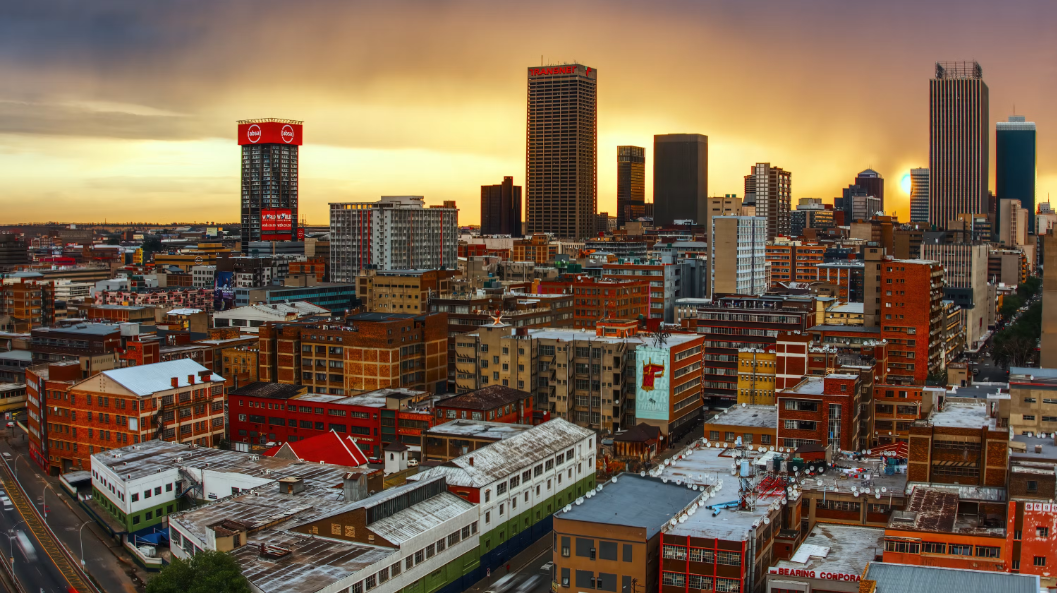
1. South Africa — $479.96 Billion
South Africa has retained its position as Africa’s biggest economy in 2026.
The country continues to benefit from its diversified economic structure, advanced financial system, strong banking sector, mining industry, and developed capital markets.
Johannesburg remains Africa’s largest financial center, while sectors such as finance, retail, manufacturing, telecommunications, and mining continue to drive output.
The IMF notes that reforms in energy and macroeconomic management have helped stabilize the economy after years of electricity shortages and weak growth.
However, unemployment, public debt, and infrastructure constraints remain major challenges.
2. Egypt — $429.65 Billion
Egypt remains North Africa’s largest economy and Africa’s second-largest overall.
The country’s strategic location and control of the Suez Canal continue to make it a major global trade hub.
Tourism, manufacturing, construction, remittances, and energy remain critical sectors of the economy.
The IMF has highlighted Egypt’s ongoing economic reforms and currency adjustments as key factors supporting recovery and growth.
Despite inflationary pressures and debt concerns in recent years, Egypt continues to attract investment into infrastructure, logistics, renewable energy, and industrial production.
3. Nigeria — $377.37 Billion
Nigeria remains Africa’s largest country by population and one of the continent’s most influential economies.
However, the country is now ranked third in nominal GDP terms following major naira devaluations that reduced the dollar value of its economy.
Oil remains a major revenue source, but sectors such as fintech, telecommunications, entertainment, banking, and digital services are becoming increasingly important.
The IMF expects Nigeria’s economy to continue recovering due to reforms in foreign exchange management, fuel subsidy removal, and improving investor confidence.
Nigeria’s long-term economic strength still lies in its massive consumer market, youthful population, and growing technology ecosystem.
4. Algeria — $317.17 Billion
Algeria continues to benefit from strong hydrocarbon exports. Oil and gas remain the backbone of the economy, accounting for the majority of export earnings and government revenue.
Europe’s demand for natural gas has strengthened Algeria’s strategic position in global energy markets.
At the same time, the country is attempting to diversify into manufacturing, agriculture, and industrial development.
The government continues to invest heavily in infrastructure and energy production, although diversification away from oil remains gradual.
5. Morocco — $194.33 Billion
Morocco has strengthened its position as one of Africa’s most industrialized and export-oriented economies.
The country has become a major manufacturing hub for automobiles, aerospace components, fertilizers, and renewable energy.
Its close trade ties with Europe and major investments in logistics infrastructure, including the Tanger Med Port, continue to support growth.
Morocco is also one of the world’s leading phosphate producers, giving it an important role in global fertilizer markets.
6. Angola — $152.35 Billion
Angola remains one of Africa’s largest oil producers. High energy prices and oil exports continue to support government revenues and foreign exchange earnings.
The country has been pushing reforms aimed at reducing dependence on oil through investment in agriculture, logistics, mining, and manufacturing.
Angola’s exit from OPEC production quotas has also given it greater flexibility in managing oil output and exports.
7. Kenya — $147.26 Billion
Kenya remains East Africa’s largest economy and one of the continent’s leading technology and financial centers.
The economy is supported by services, agriculture, tourism, banking, transport, and a rapidly growing digital economy.
Nairobi continues to attract startups, venture capital firms, and regional headquarters for multinational companies.
Kenya’s leadership in mobile money through M-Pesa has also strengthened financial inclusion across the region.
The country’s renewable energy investments, especially in geothermal power, continue to support industrial growth and energy stability.
8. Democratic Republic of Congo (DRC) — $123.41 Billion
The DRC is increasingly becoming one of Africa’s most strategically important economies because of its vast mineral wealth.
The country holds some of the world’s largest reserves of cobalt, copper, lithium, coltan, and other minerals critical for electric vehicles and battery manufacturing.
Although infrastructure, governance, and political instability remain major concerns, global demand for critical minerals is increasing the country’s economic importance.
Mining remains the dominant driver of GDP growth and export earnings.
9. Ethiopia — $121.53 Billion
Ethiopia continues to rank among Africa’s fastest-growing economies. Large public infrastructure projects, industrial parks, aviation, agriculture, and manufacturing are driving expansion.
Ethiopian Airlines remains one of Africa’s strongest aviation brands and a major contributor to the country’s economy.
The IMF projects strong growth for Ethiopia despite challenges linked to debt, inflation, and post-conflict recovery.
Economic reforms and investment liberalization are also helping attract foreign investors.
10. Ghana — $118.29 Billion
Ghana rounds out Africa’s top 10 economies in 2026.
After facing debt and inflation challenges in recent years, the country has shown signs of macroeconomic recovery under IMF-supported reforms.
Gold, cocoa, and oil remain major export earners. The country’s relatively stable political environment and strong financial sector continue to attract investment.
The IMF notes that Ghana’s recovery has been supported by debt restructuring efforts, improving inflation trends, and fiscal reforms.
Key Trends Shaping Africa’s Biggest Economies
Several major trends are influencing Africa’s economic rankings in 2026:
1. Currency Movements Matter
Nigeria’s drop from first place to third place highlights how exchange rate changes can significantly affect nominal GDP rankings measured in U.S. dollars.
2. Energy Still Drives Many Economies
Oil and gas continue to dominate economies such as Algeria, Angola, and Nigeria. At the same time, renewable energy investment is growing rapidly in countries like Kenya, Morocco, and South Africa.
3. Technology and Services Are Expanding
Countries including Kenya, Nigeria, South Africa, and Egypt are increasingly relying on fintech, digital services, logistics, and telecommunications as major contributors to GDP growth.
4. Infrastructure and Industrialization Are Becoming Central
Morocco, Egypt, Ethiopia, and Algeria are investing heavily in transport infrastructure, industrial parks, ports, and manufacturing capacity to strengthen economic resilience.
The Bigger Picture for Africa
The IMF projects Africa’s combined economy to exceed $3.5 trillion in nominal GDP in 2026.
While the continent continues to face challenges such as debt pressures, inflation, unemployment, political instability, and climate risks, many African economies are also showing resilience through reforms, diversification, technology adoption, and regional trade integration.
The African Continental Free Trade Area (AfCFTA) is expected to play a major role in boosting intra-African trade and industrial development over the coming years.
Africa’s largest economies remain central to the continent’s investment story, shaping trade, innovation, infrastructure, manufacturing, and financial growth across multiple regions.