The financing will support solar power and refrigerated storage investments designed to reduce crop losses and expand the company’s agricultural infrastructure. Cygnum announced the investment on October 15, 2026.
The transaction represents Swami Agri’s first capital markets issuance and, according to Cygnum, the first agricultural green bond in the West African Economic and Monetary Union, known as UEMOA.
Issued in West African CFA francs, the five-year bond carries a 7% annual interest rate. IMPAXIS Securities served as arranger and lead manager.
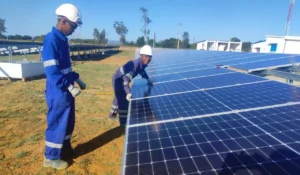
Proceeds will finance 16.7 MW of solar generation and five solar-powered cold-storage facilities, each with a capacity of 12,500 metric tons.
Together, the facilities will add 62,500 metric tons of storage capacity, giving the business more room to preserve harvested produce and manage its sale over time.
The African Guarantee and Economic Cooperation Fund, known as FAGACE, has provided a first-demand guarantee covering 100% of principal and interest.
The structure combines longer-term corporate borrowing with credit protection for bondholders, supporting Swami Agri’s entry into the regional debt market.
“This issuance allows Swami Agri to finance its next phase of growth with longer-term local currency funding,” said Hitesh Gorasia, the company’s chief executive officer and managing director.
The investment program aims to raise renewable energy’s share of storage and production operations to 70–90%, reduce CO₂ emissions by 20–30%, and cut post-harvest losses by at least 50%.
It also targets the creation of at least 700 direct jobs and supports Senegal’s efforts to achieve self-sufficiency in potatoes and onions. These figures are program objectives rather than reported operating results.
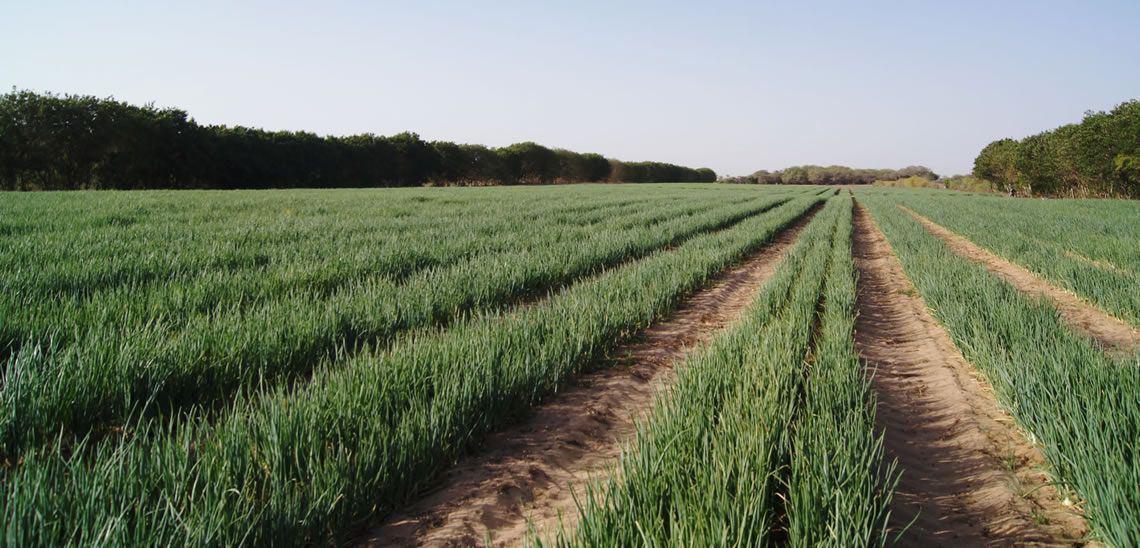
Swami Agri, established in 2021 and wholly owned by the Senegindia group, specializes in crops including potatoes and onions.
The regional securities exchange, BRVM, has scheduled the bond’s first trading session for November 17, 2026, extending the transaction from fundraising into the listed regional bond market.
The financing connects agricultural expansion with two practical operating needs: electricity for production and refrigeration, and storage that prevents harvested crops from being lost before sale.
Its wider business significance lies in using regional capital markets to finance these assets through a corporate green bond, with defined uses for the proceeds and measurable targets for energy, crop preservation, and employment.