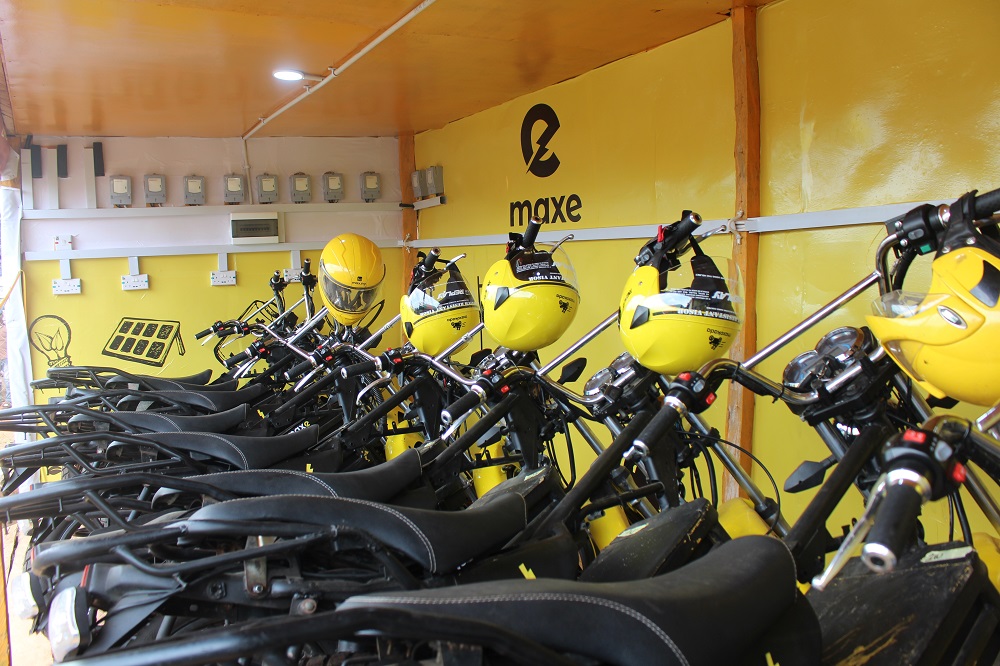
This fresh funding comes as the company reshapes its offerings toward cleaner mobility solutions.
The funding round included global institutional backers such as Equitane DMCC, Novastar, Endeavor Catalyst, and others, while debt was provided through the Energy Entrepreneurs Growth Fund (EEGF) alongside development finance partners.
According to MAX’s Chief Executive Officer, Adetayo Bamiduro, the capital will accelerate the company’s expansion efforts, strengthen clean energy infrastructure, and support the creation of an integrated mobility platform that improves access and affordability for drivers and riders.
Investors’ participation reflects renewed confidence in MAX’s evolution from a conventional vehicle financing operator to a comprehensive electric mobility platform.
This direction aligns with broader trends in Africa’s EV ecosystem, where declining battery prices and rising fuel costs are making electric two- and three-wheelers more economically attractive than traditional petrol-powered alternatives.
With the new funds, MAX plans to grow its electric vehicle fleet, roll out battery-swapping and clean energy infrastructure, enhance its proprietary fleet management and IoT capabilities, and support regional expansion across West and Central Africa. =
Leadership has underscored ambitions to back 250,000 drivers by 2027 and to surpass $150 million in annual recurring revenue as part of its next phase of scaling.
MAX recently reported it has achieved profitability in Nigeria, its largest operating market, a milestone that the company says underlines the commercial viability of electric mobility models on the continent.
The company’s pivot toward EV financing is the continuation of a strategic reset that began a year ago, during which MAX restructured its workforce, reducing staff by around 150 people (about 30 per cent of its team) to sharpen its focus on electric vehicle lanes and improve operational discipline.
MAX’s long-term strategy includes reducing reliance on imported vehicles by boosting local assembly and supporting African original equipment manufacturers.
The firm’s assembly plant in Ibadan, Nigeria, currently has the capacity to produce thousands of two- and three-wheeled EVs monthly, with partnerships in place to ensure vehicles are suited to conditions across the continent.
The startup was founded in 2015 by Bamiduro and Chinedu Azodoh and has gone through multiple business model transitions, including delivery services, ride-hailing, vehicle financing, and now a heavier emphasis on EV adoption.