
- EmpowerAfrica
- ,
Did you know that over 525 million people used the internet in Africa in 2019? If current growth trends continue, almost 75% of Africans are expected to come online by 2030.
The Empower Africa Business Platform is Now Live !!!
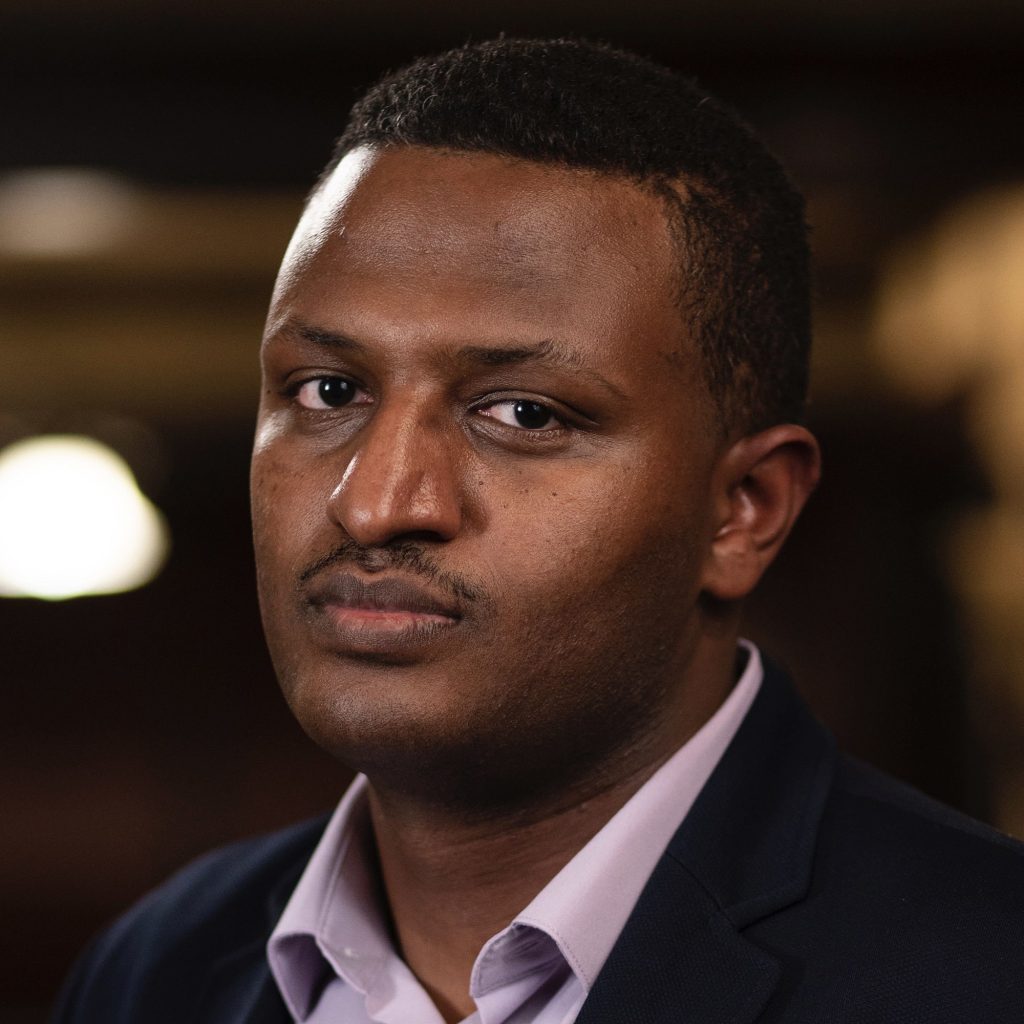
Samuel is an Ethiopian entrepreneur and impact investor known for his work in Africa’s renewable energy and sustainable development sectors.
He leads a dedicated team that invests in innovative projects focused on renewable energy and energy efficiency. Samuel is also the co-founder and chairman of Cambridge Industries, an engineering, design, procurement, and construction company focused on renewable energy projects throughout Africa.
As a subsidiary of Cambridge Industries Ltd., the company, founded in 2013, manages various renewable energy projects on the continent. With a passion for sustainable development and a deep understanding of Africa’s energy landscape, Samuel has been instrumental in driving the growth of clean energy solutions and promoting access to reliable and affordable power across Africa.
The Stanford University graduate is widely recognized for his commitment to driving positive change in Africa. He continues to advocate for sustainable development and actively supports initiatives that promote clean energy, economic growth, and social impact in the region.