The new capital is intended to expand Lula’s automated lending-as-a-service technology, enabling more MSMEs to access flexible financing solutions that many traditional banks have historically struggled to provide.
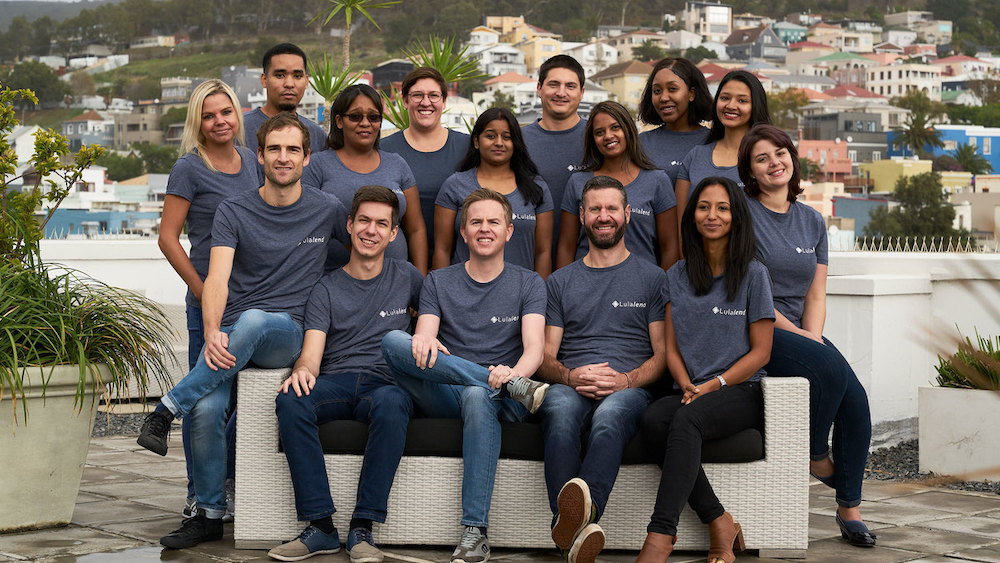
Founded in 2014 by Trevor Gosling and Neil Welman, Lula started life as Lulalend before rebranding in 2023 as it transitioned toward a more comprehensive digital finance platform.
The company blends AI-driven credit scoring with real-time financial data to quickly assess and deliver working capital loans, helping businesses manage cash flow, payroll, inventory, and other daily needs.
This latest funding round follows a US$35 million Series B raise in 2023, led by Lightrock with backing from the International Finance Corporation (IFC), Quona Capital, DEG, and Triodos Investment Management, and a subsequent US$10 million local-currency facility from the IFC.
These investments supported Lula’s evolution from a specialist lender into a broader fintech with embedded banking features.
Lula’s leadership says the rand-denominated structure of the FMO investment is a strategic advantage.
By avoiding foreign exchange exposure, Lula can offer more stable and predictable lending rates, shielding both the company and its SME customers from sudden currency shifts that can erode affordability.
“Securing this capital in local currency removes volatility linked to exchange rates,” said CEO Trevor Gosling, noting that the funds will support accelerated growth and help thousands of additional entrepreneurs move from short-term survival toward long-term resilience.
FMO’s involvement reflects a broader effort by development finance institutions to foster financial inclusion and strengthen competition in South Africa’s SME credit market.
With this funding, Lula plans to scale its services over the next three years, widening access to working capital for businesses that have traditionally faced barriers to finance and helping drive more inclusive economic growth across South Africa.