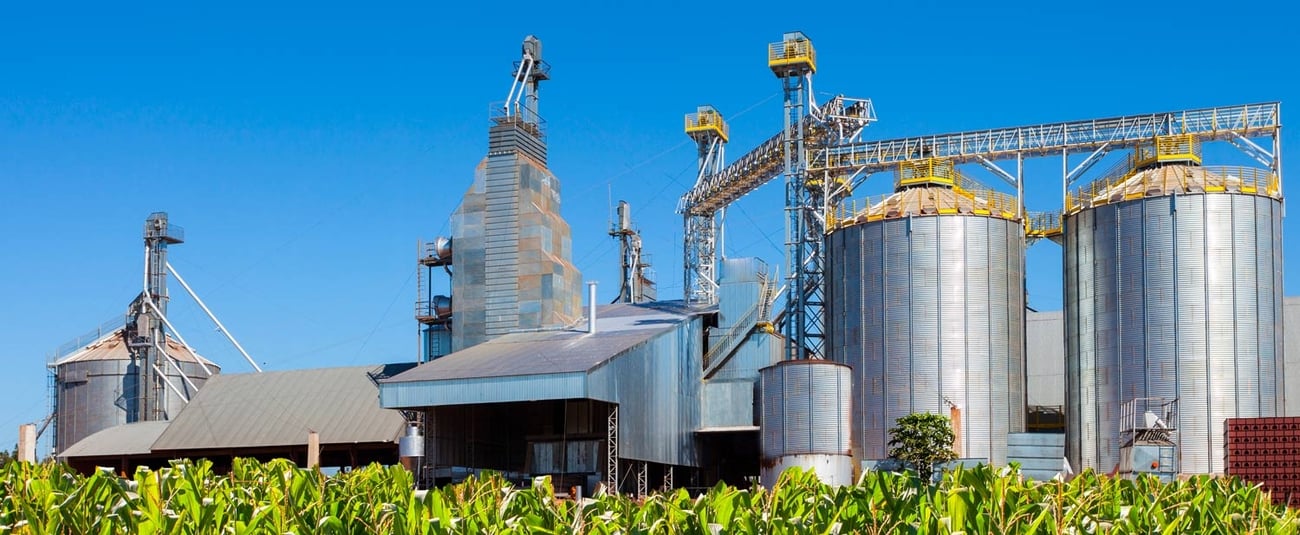
SAPZs are designed to address structural challenges in Africa’s agriculture by strengthening links between rural producers and processing and market networks.
By coordinating financing, shared infrastructure and incentives, these zones aim to lower investor risk, boost competitiveness and attract longer-term private investment.
They seek to shift the continent’s agricultural profile away from raw commodity exports toward higher-value processing and integrated value chains.
Dr Sidi Ould Tah, President of the African Development Bank Group, said the expanded Alliance is expected to deepen co-financing opportunities and hasten the rollout of SAPZs across African countries.
He explained that this effort aligns with the Bank’s broader strategic priorities, including mobilizing blended finance, strengthening food systems, empowering youth and women, and investing in resilient infrastructure.
To date, the African Development Bank has committed roughly $934 million toward more than two dozen SAPZ projects in 11 countries, which has drawn nearly an equal amount — about $938 million — in additional funding from partner institutions.
TDB Group President and Managing Director Admassu Tadesse said the bank is ready to work closely with Alliance partners to scale commercially viable agro-industrial investments.
Abdulhamid Alkhalifa, President of the OPEC Fund, emphasized that the institution’s Food Security Action Plan resonates with the Alliance’s goals and offers a strategic avenue to advance sustainable agriculture and industrial development across Africa.
As the Alliance grows, the African Development Bank has called on governments, anchor investors, small and medium enterprises, farmers’ organizations and technical partners to engage with the program and take advantage of the opportunities presented by the next phase of SAPZ development.
The expansion of the Alliance illustrates a concerted push among development financiers and partners to harness coordinated finance and infrastructure to modernize African agriculture and generate jobs, particularly in rural areas where agriculture remains central to economic livelihoods.