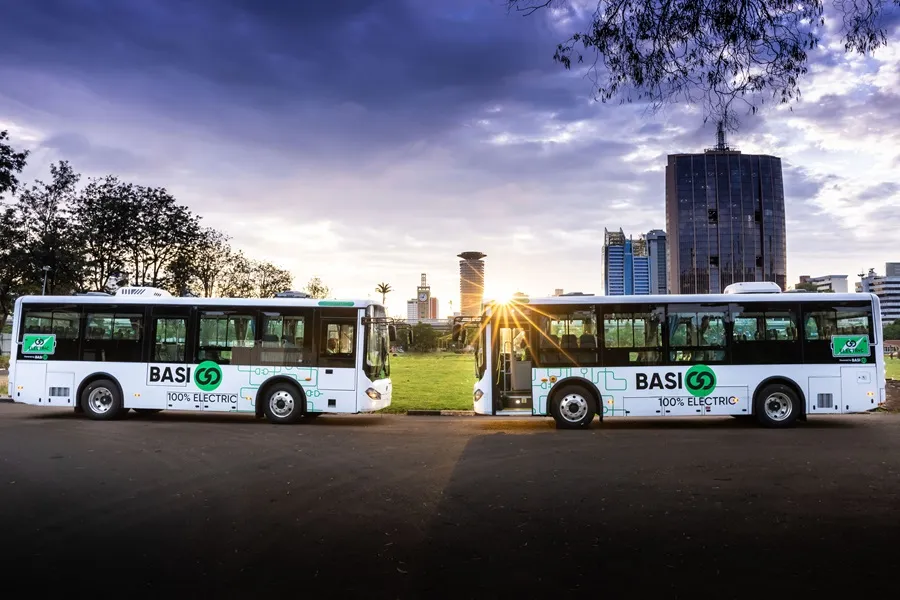
BasiGo, established in 2021 and headquartered in Nairobi, provides locally assembled electric buses paired with charging and maintenance infrastructure.
Under a “pay-as-you-drive” financing model, bus operators pay separately for the bus chassis and its battery and charging services, making electric bus adoption more affordable and financially viable.
Before the Proparco funding, BasiGo raised US$41.5 million in a Series A round in late 2024. Thanks to that earlier funding and its business model, BasiGo had already deployed around 100 electric buses across Kenya and Rwanda.
Proparco’s investment comes at a critical growth phase. The new funds are expected to support the scaling up of BasiGo’s local assembly capacity, expansion of its charging-station network, and the realisation of its “Road to 1000” plan.
In a statement, BasiGo’s Chief Executive and co-founder Jit Bhattacharya described Proparco’s backing as a strong vote of confidence in BasiGo’s inclusive model of clean, efficient, and affordable urban transport.
He said the move will accelerate the company’s efforts to expand local manufacturing, build out charging infrastructure, and dramatically increase bus deployments.
Echoing similar sentiments, Proparco’s East Africa Regional Director Jean Guyonnet‑Dupérat said the investment is aligned with the institution’s mandate to promote sustainable, low-carbon mobility in growing African cities.
He highlighted the potential impact: reduced emissions, improved air quality, creation of green jobs, and a new generation of reliable public transport for tens of thousands of people in Kenya, Rwanda, and beyond.
The deal is part of a broader trend in Africa’s e-mobility sector where development finance institutions are playing a leading role in funding green public transport infrastructure.