The Empower Africa Business Platform is Now Live !!!

Key Developments

BII Targets £9 Billion Investment Push into Africa with New Five-Year Strategy

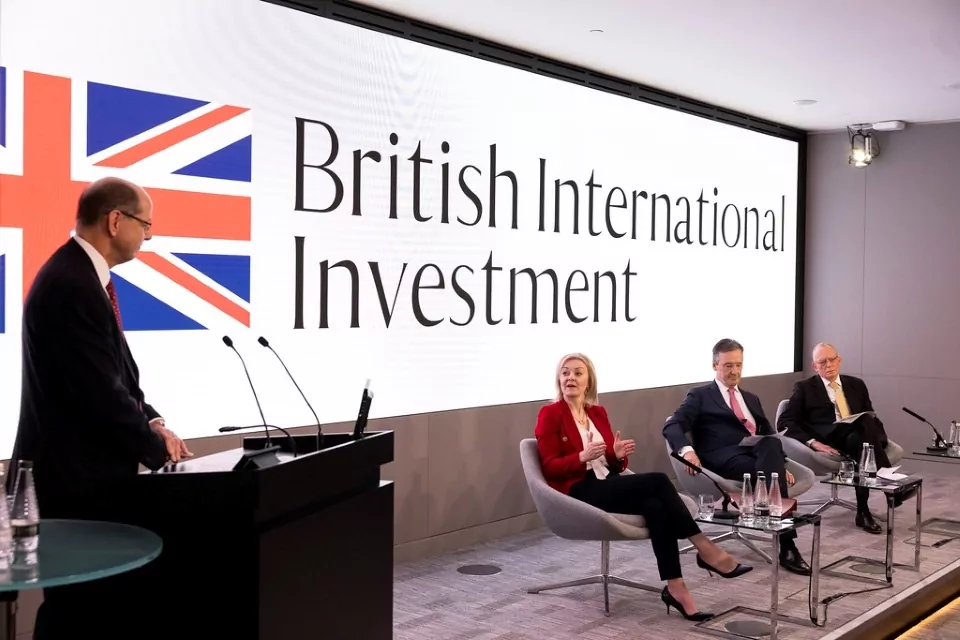
British International Investment (BII), the UK government’s development finance institution, has announced a new five-year plan to channel £9 billion into African economies, with a strong push to attract private investors and expand activity in underserved markets.


The institution said it will commit close to £5 billion of its own capital between 2026 and 2031, while the remaining funds are expected to come from investors across Africa and international markets.

The plan marks one of BII’s largest financial commitments to the continent and reflects a wider shift toward investment-led development rather than traditional aid.

“Africa has been at the heart of BII’s work since our inception,” said Chris Chijiutomi, Managing Director and Head of Africa at BII.

“That long track record has given us deep experience of investing through economic cycles and a clear understanding of what businesses need to grow in some of the continent’s most challenging markets.”

He added: “This strategy builds directly on that experience. By sharpening our focus on frontier markets, investing in high-impact sectors and mobilising domestic and international private capital, we are concentrating our efforts where our capital and expertise can make the greatest difference for African economies.”

A key part of the strategy is to increase the flow of private capital into African countries where funding remains limited.

BII plans to use its financial capacity, partnerships and ability to take on higher risks to encourage investment into sectors and regions that are often overlooked by commercial financiers.

The organization is also increasing its focus on frontier markets. At least a quarter of its new investments will be directed to countries classified by the United Nations as Least Developed Countries.

These economies, which are home to over one billion people, continue to receive only a small share of global investment despite strong demand for capital.

BII said it will concentrate efforts in selected markets such as Sierra Leone and Zambia, combining funding with policy support, technical assistance and partnerships aimed at improving investment conditions and strengthening local capital markets.

Across Africa, the institution will prioritize sectors seen as critical for growth, including financial services, energy, transport, trade, digital infrastructure and sustainable industries.

These areas are considered essential for job creation, business expansion and long-term economic stability.

Climate finance will play a larger role in the new strategy. BII expects at least 40% of its investments to support climate-related projects, up from 30% in its previous plan.

The move comes as the continent continues to face major energy gaps, with nearly 600 million people still without access to electricity.

The institution said it will support renewable energy projects, improve power grids and expand access to clean energy, while contributing to broader initiatives such as Mission 300, which aims to connect 300 million people in Africa to electricity by 2030.

UK Minister for Development Jenny Chapman said the strategy aligns with a broader change in how the UK approaches development.

“Over the past few months, I have been setting out the need for a new UK approach to development – one moving from traditional aid grants to long-term partnerships that bring investment, expertise and international finance reform together,” she said.

“BII sits right at the heart of this approach, and its new strategy is pulling in the same direction we have set as a Government. I know BII will lead from the front in turning our joint ambitions into genuine results over the next five years.”

In addition to sector-focused investments, BII plans to expand “market-level” interventions aimed at developing entire industries rather than supporting individual firms.

It will also strengthen its gender-focused investment strategy, with 30% of new investments expected to meet the criteria of the global 2X Challenge, which supports women’s economic participation.

The strategy comes at a time when development finance is under pressure, with declining aid flows and rising borrowing costs limiting access to funding across many African economies.


Share :

You may also like...